Understanding Deep Brain Stimulation for Parkinson's Disease
Explore whether DBS may be right for you. Learn how it works, how your specific symptoms respond, and what to expect. Come away ready to have an informed conversation with your care team.
The Basics
What Is Deep Brain Stimulation?
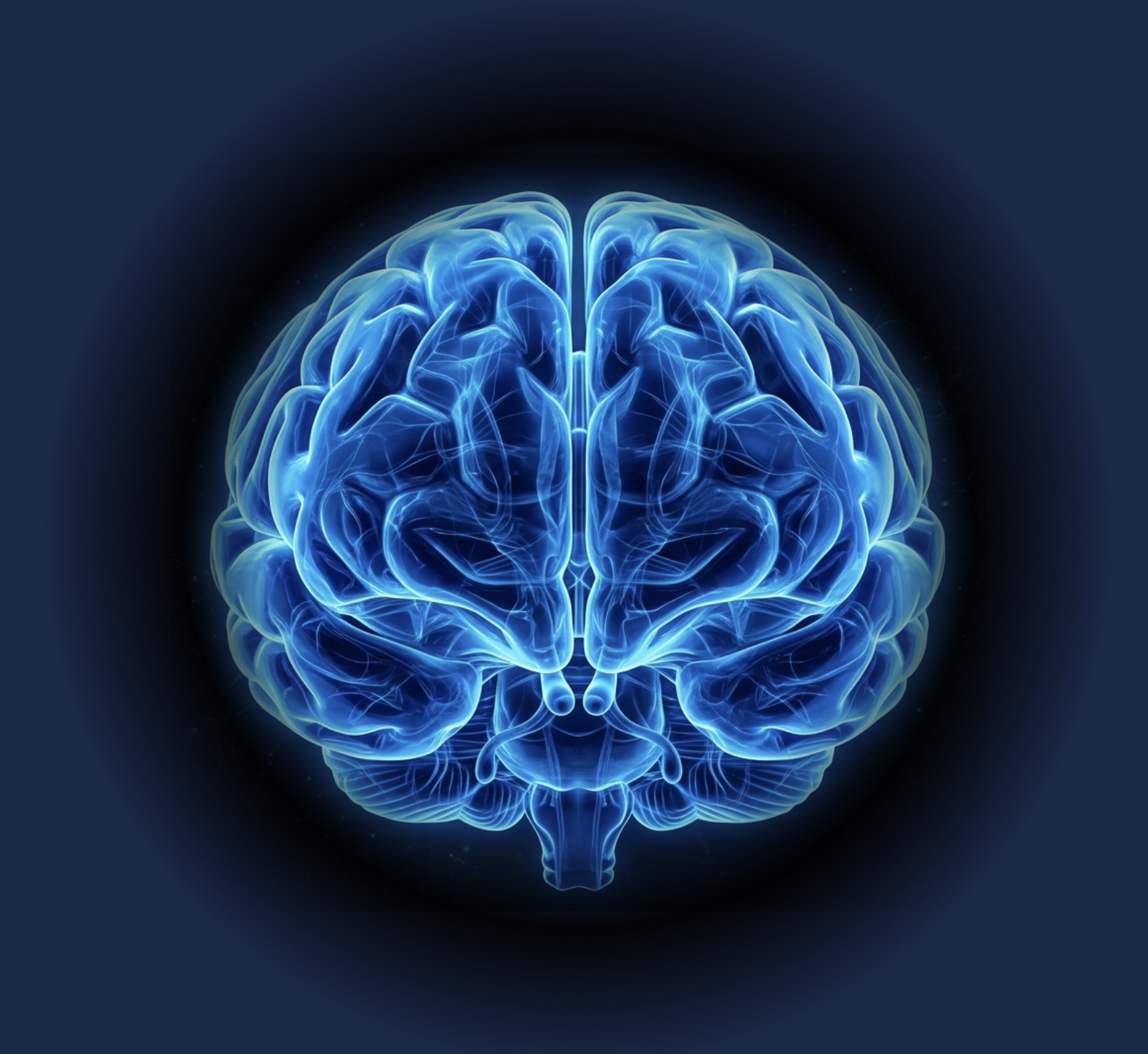
DBS is a well-established surgical therapy that uses precisely placed electrodes to deliver gentle electrical pulses to specific brain regions, restoring more normal signaling in circuits disrupted by Parkinson's disease.
1
Precision Targeting
Using advanced MRI-guided imaging, a neurosurgeon places electrodes (leads) in the exact brain region responsible for your most disabling symptoms, typically the STN or GPi.
2
Continuous Stimulation
A small implanted pulse generator (IPG), placed under the skin near the collarbone, sends adjustable electrical pulses through the leads, working day and night.
3
Personalized Programming
Your neurologist fine-tunes the stimulation parameters over weeks and months to maximize benefit and minimize side effects. Programming is highly individualized.
4
Reversible & Adjustable
Unlike lesioning procedures, DBS is fully adjustable and potentially reversible. Stimulation can be turned off, reprogrammed, or modified as your disease evolves.
How Does It Actually Help?
Parkinson's Disease is a gradually progressive illness whose effects can vary significantly from one person to another and, even though it is considered a "movement disorder," it can nonetheless be associated with a variety of movement and non-movement symptoms, requiring careful, individualized treatment strategies.
In Parkinson's disease, the loss of dopamine-producing cells disrupts the basal ganglia, a group of brain structures that control movement. This creates abnormal electrical "noise" that makes smooth, voluntary movement difficult.
DBS doesn't cure Parkinson's or slow its progression. Instead, it interrupts the abnormal signaling patterns, effectively "quieting the noise" and allowing more normal movement circuits to function.
✦
Not a cure: Parkinson's continues to progress, but DBS manages symptoms more effectively
✦
Complements medications: some patients are able to reduce their medication doses
✦
Works best for: motor symptoms that respond well to levodopa (with important exceptions, such as tremor that nearly always responds to DBS)
✦
Long-term benefit: multiple studies show sustained benefit at 5–10 years post-implant
The "levodopa test": If your motor symptoms improve significantly with levodopa, DBS is likely to help those same symptoms; it essentially creates a sustained "on" state. Symptoms that don't respond to levodopa generally won't improve with DBS either (with notable exceptions such as tremor, which does consistently respond to DBS).
The DBS System
Click each component to learn about it
↑ Click a component to learn about it
Interactive · Molecular Pharmacology
Get Geeky: Why You Take L-DOPA, Not Dopamine, to Treat Parkinson's
Parkinson's disease results from a loss of dopamine in the brain. Dopamine is normally built up in two steps starting from tyrosine, an ordinary amino acid supplied by everyday protein-rich foods. Tyrosine is converted to L-DOPA which is then converted to dopamine. However, dopamine itself can't be given as a pill or injection because it can't cross the blood–brain barrier. L-DOPA, however, does cross that barrier. After just one more enzyme step, it can compensate for some of the missing dopamine. L-DOPA is still the most effective first-line medical therapy for Parkinson's disease. Over years of L-DOPA use, though, symptom control can become less steady and patients experience "wearing-off" periods and unpredictable fluctuations that DBS is often especially well-suited to treat. Rotate and compare all three 3D structures to see exactly what changes at each step.
Explore the 3D molecule model ▾
Highlight structural differences
Drag to rotate freely · scroll/pinch to zoom · right-drag to pan
Atom key
Carbon (C)
Hydrogen (H)
Nitrogen (N)
Oxygen (O)
Highlighted difference
Why this matters for DBS: Early in Parkinson's disease, L-DOPA works smoothly and evenly. But as more dopamine-producing neurons are lost, the brain's ability to store the dopamine made from each L-DOPA dose and release it steadily shrinks and symptom control starts to swing with each pill, producing "wearing-off" before the next dose and, eventually, unpredictable "on/off" fluctuations and dyskinesias (involuntary extra movements) from the medication itself. DBS doesn't replace L-DOPA or dopamine; rather, it delivers continuous electrical stimulation that smooths out the abnormal brain signaling those swings create, which is why DBS is typically considered once medication alone can no longer provide steady, reliable symptom control.
Interactive Tool
Your Symptom Explorer
Select the symptoms you experience. The panel on the right will show you how well DBS typically addresses each one, helping you build realistic expectations.
Motor Symptoms
Motor Complications
Speech & Swallowing
Cognitive & Mood
Autonomic & Other
DBS Impact on Your Symptoms
0
Select your symptoms on the left to see how DBS may affect each one.
Personalized Insight
Parkinson's Disease Subtypes & DBS
Parkinson's disease is not one condition. Two broad subtypes are recognized, and while many patients fall somewhere in between, or shift over time, and understanding these patterns can inform both prognosis and surgical planning.
These subtypes are best understood as anchors along a spectrum rather than rigid categories. Many patients have features of both, and classification can change as the disease evolves. That said, there is growing evidence for distinct biological underpinnings at each extreme, and both subtypes include symptoms that can respond very well to DBS.
Subtype 1
Tremor-Dominant (TD)
The hallmark is a prominent resting tremor, typically a rhythmic 4–6 Hz shaking of a limb at rest that partially or fully resolves with purposeful movement. Slowness and rigidity are present but relatively mild.
Characteristic features
Resting tremor, often asymmetric
Relatively preserved gait and balance, at least early on
Slower overall disease progression
Cognitive function often relatively preserved longer
Good levodopa response for non-tremor symptoms
DBS considerations
DBS is highly effective for tremor-dominant PD. The Vim nucleus of the thalamus provides the most robust tremor suppression. The STN is often preferred when tremor coexists with meaningful bradykinesia or off periods, as it addresses the full motor spectrum and may allow medication reduction.
Subtype 2
Akinetic-Rigid / PIGD
The dominant features are slowness (bradykinesia), rigidity, and postural instability with gait difficulty (PIGD). Tremor may be absent or minor. This subtype tends to progress more rapidly and carries greater risk of axial and cognitive symptoms over time.
Characteristic features
Bradykinesia and muscle rigidity predominate
Gait freezing, shuffling, reduced arm swing
Balance impairment and fall risk
Motor fluctuations and dyskinesias common with long-term medication use
Greater risk of cognitive and autonomic symptoms over time
DBS considerations
Bradykinesia, rigidity, motor fluctuations, and dyskinesias respond very well to DBS at the STN or GPi. Gait freezing and balance are less reliably improved. The GPi may be preferred when cognitive concerns are present, given its more neutral neuropsychological profile. Careful patient selection is particularly important in this subtype.
Am I Ready?
When to Consider DBS
Many different factors, including medical, surgical, and personal considerations, inform whether and when DBS makes sense. Click any factor below to understand how it fits into that conversation. Because each patient's situation is unique, even a single factor can sometimes be decisive.
Select a category above, then click any factor to see how it informs DBS timing and candidacy.
Personalized Choice
Comparing DBS Targets
The choice of brain target is one of the most important decisions in DBS planning, and it's made collaboratively between you and your care team based on your unique symptom profile.
Select a target to learn more:
Most patients with Parkinson's are candidates for either the STN or the GPi. Some patients, particularly those with tremor-dominant disease, may benefit from the Vim of the thalamus.
STNSubthalamic NucleusMost Widely Used
GPiGlobus Pallidus internusCognitively Safer
VimVentral Intermediate NucleusTremor-Dominant Only
Tremor control
Excellent ✦✦✦
Very good ✦✦
Outstanding ✦✦✦
Rigidity & slowness
Excellent ✦✦✦
Very good ✦✦
None
Dyskinesia control
Excellent via medication reduction
Excellent direct suppression
None
Medication reduction
30–50% less levodopa
Modest often still needed
None
Cognitive effects
Slight risk in some
Very low risk
Very low risk
Mood effects
Monitor carefully
Generally favorable
Generally favorable
Best candidates
Younger, cognitively intact patients with full motor spectrum
Not all DBS systems are identical. Three advanced capabilities distinguish current devices. Depending on a patient's diagnosis, chosen brain target, and particular symptoms, one feature set may offer meaningful advantages over another.
Adaptive Stimulation
The device monitors brain signals in real time and automatically adjusts stimulation — increasing output when symptoms worsen and reducing it when they improve or dyskinesia appears.
Particularly useful: Parkinson's Disease
▾
Directional Field Shaping
Stimulation can be steered toward the therapeutic target and away from neighboring structures, reducing side effects and enabling personalized, image-guided programming.
Particularly useful: Precision targeting
▾
Remote Programming
Physicians can review device data and adjust stimulation settings without an in-person visit, enabling more frequent fine-tuning after implantation.
Particularly useful: Patients in remote areas
▾
How Adaptive Stimulation Works
Adaptive stimulation is the ability to modulate how much stimulation is being delivered based upon feedback signals from neural circuits. To do this, in addition to delivering stimulation, a DBS lead can also record local field potentials ("LFPs"), the collective electrical activity of nearby neurons. In Parkinson's disease, excess beta-band (β) oscillations (13–30 Hz) correlate with motor symptoms such as rigidity and bradykinesia. When beta power rises above a set threshold, the device increases stimulation; when it falls, stimulation is reduced. Some systems additionally detect high-frequency “gamma” (γ) oscillations (60–90 Hz) linked to dyskinesia and decrease output accordingly.
The task of the movement disorders neurologist programming an adaptive DBS system is to set the thresholds appropriately to maximize benefit and minimize over-stimulation. Adjust the sliders below to see how those changes affect the timing and duration of DBS activation.
Drag the threshold lines or use the sliders (β top, γ bottom) to adjust sensitivity.
50%
60%
⚡
DBS OFF
β: —
How Directional Field Shaping Works
Modern DBS leads contain segmented contacts arranged around the shaft. By activating individual segments, clinicians can steer the electrical field toward the therapeutic target while avoiding adjacent structures. Select a target below, then click individual contacts to see how current spreads through the anatomy.
Target:
Try DBS Targeting & Programming
Relative Effect
Symptom relief0%
Side-effect risk0%
Legend
Brighter green = more therapeutic effects
Brighter red = more side effects
Darker blue = more stimulation
Remote Programming
After implantation, DBS settings require gradual fine-tuning to achieve optimal therapeutic benefit over several visits. Remote programming capability allows an expert movement disorders neurologist to review stored data from the device and make adjustments from a distance, reducing the burden of frequent clinic visits, particularly for patients who live far from the treating center or who have difficulty with travel. Nonetheless, in-person visits remain preferred because the neurologist gets better, more-precise feedback about good and bad stimulation effects when face-to-face with the patient.
Our Program
How We Perform DBS Surgery
No two patients are alike, and neither are our operations. We offer three distinct surgical approaches, each employing state-of-the-art technology, tailored precisely to your anatomy, your target, and your comfort. Click any approach below to learn more, or select multiple to compare them side by side.
Approach 1
Awake with Electrophysiological Mapping
Gold-standard neural precision
Click to learn more
Approach 2
Asleep with Robot & Intra-operative CT
Robotic precision without wakefulness
Click to learn more
Approach 3
Asleep in the Procedural MRI
Real-time MR guidance
Click to learn more
Understanding Surgical Risk
DBS is elective neurosurgery, and like all surgical procedures it carries real (though uncommon) risks. The most serious concern is intracranial hemorrhage (bleeding in or around the brain), which occurs in approximately 1–2% of procedures and can, in rare cases, cause stroke-like symptoms or permanent neurological change. Infection around the hardware occurs in roughly 2–4% of cases and may require temporary removal of the device. Hardware-related issues (such as lead migration or device malfunction) can occur but are generally manageable. Anesthesia-related complications are rare but possible, particularly in patients with significant medical comorbidities.
It is also worth noting that DBS does not stop the underlying progression of Parkinson's disease, and some symptoms (particularly speech, swallowing, balance, and cognition) are unlikely to respond, and in some cases may even worsen, with DBS. A frank discussion of your individual risk profile is a central part of the surgical consultation.
Our Commitment to Safety & Comfort
Maximizing vascular safety. Prior to every case, we obtain both a high-resolution MRI and a CT angiogram. The MRI provides high-resolution images to localize the target while the CT angiogram provides the highest-quality, most accurate imaging of the brain's blood vessels, allowing us to maximize target accuracy while finding the safest trajectories. This dual-modality planning is central to how we minimize hemorrhage risk.
Minimizing hardware visibility and sensitivity. We take extra care to countersink DBS-associated hardware, including anchoring caps and connectors, flush within recesses in the bone rather than leaving it proud on the skull surface. This reduces the visibility of any bump under the scalp and makes the hardware far less sensitive to touch, improving both cosmetic appearance and day-to-day comfort.
Personalized risk counseling. Every patient's risk profile is different. Our multidisciplinary team carefully weighs your individual anatomy, medical history, and surgical approach before proceeding, and we take the time to walk through your specific risks and benefits in detail at your surgical consultation.
What to Expect
Your DBS Journey
From evaluation to long-term care, here's a realistic timeline of what the DBS process looks like at Brown Neurosurgery.
Step 1: Multidisciplinary Evaluation (1–3 months)
▾
DBS candidacy is never a single-doctor decision. Over the course of a day-long, multidisciplinary “fast-track” clinic, you’ll be evaluated by a movement disorders neurologist, neurosurgeon, neuropsychologist, physical or occupational therapist, and a speech or swallow specialist; occasionally you may also see a psychiatrist. Advanced brain imaging (MRI) confirms anatomical suitability. A formal "levodopa challenge" test may be performed.
This thorough process protects you; taking time here leads to significantly better outcomes.
Step 2: Surgical Consultation & Decision
▾
After the multidisciplinary team has provided its recommendations, if you wish to discuss proceeding with DBS surgery, you will meet again with the neurosurgical team for an in-depth conversation about your particular risks and benefits in light of the team's assessment. This is the time to ask any remaining questions and to make a fully informed decision together.
It's a good idea to bring at least one family member or friend to this appointment, as having someone to help ask questions and take notes makes a real difference.
Step 3: Surgical Planning
▾
Your neurosurgeon uses specialized software to plan the exact electrode trajectory for your unique anatomy, avoiding blood vessels and critical structures. Modern techniques use intraoperative MRI or CT guidance for real-time confirmation of lead placement accuracy.
Step 4: The Surgical Implantation Sequence
▾
DBS systems are implanted in either two or three stages, depending on which surgical approach is used; see Our Surgical Approach for a detailed description of each. In all cases, only the lead placement step requires an overnight hospital stay (typically one night); all other stages are outpatient procedures. The pulse generator (battery) implantation, performed under general anesthesia through two small incisions, one near the collarbone and another behind the ear to connect the extender to the leads, is a brief and straightforward procedure done as a separate outpatient visit.
Lead placement requires approximately one night in hospital. All other stages, including fiducial placement (if applicable) and battery implantation, are same-day outpatient procedures.
Your neurologist activates the stimulator and begins systematic programming. This is an iterative process; finding the optimal stimulation parameters takes patience. Medications are also adjusted in parallel.
Step 6: Optimization Period (3–12 months)
▾
Benefit from DBS builds over time. Most patients see incremental improvement over the first year as programming is refined. It's important not to judge the final outcome too early, as 6–12 months is often needed to find the best settings.
Step 7: Long-Term Management
▾
DBS requires ongoing follow-up, typically every 6–12 months, for programming adjustments as the disease evolves and reprogramming needs change. If you have a non-rechargeable battery (which is often easier for patients to manage), a minor outpatient procedure is required every few years to replace the IPG. If a newer battery generation is available at that time, you may also be a candidate for an upgrade to the newest device.
Honest answers to the questions patients ask most often.
Our Team
Who We Are
This resource was developed by the Division of Functional and Epilepsy Neurosurgery at Brown University Health to help patients and families better understand deep brain stimulation and its role in managing movement disorders and other neurological conditions. Our division cares for patients with epilepsy, movement disorders, psychiatric conditions, and other disorders of neural circuit function, offering surgical and neuromodulation approaches aimed at restoring quality of life. We hope this page supports more informed and confident conversations about your care.
 The "levodopa test": If your motor symptoms improve significantly with levodopa, DBS is likely to help those same symptoms; it essentially creates a sustained "on" state. Symptoms that don't respond to levodopa generally won't improve with DBS either (with notable exceptions such as tremor, which does consistently respond to DBS).

 Most Widely Used
 Cognitively Safer
 Tremor-Dominant Only

 This thorough process protects you; taking time here leads to significantly better outcomes.
 It's a good idea to bring at least one family member or friend to this appointment, as having someone to help ask questions and take notes makes a real difference.

 Lead placement requires approximately one night in hospital. All other stages, including fiducial placement (if applicable) and battery implantation, are same-day outpatient procedures.